Acclimatization & Altitude Sickness on Kilimanjaro
How to Prepare for High Altitude on Kilimanjaro?

Climbing Mount Kilimanjaro is a remarkable achievement, but high altitude effects pose a significant challenge for many climbers. While no approach guarantees immunity from altitude sickness, choosing a reputable operator and preparing thoroughly can greatly reduce the risk. Here’s how you can prepare for the high-altitude conditions of Kilimanjaro to maximize your chances of success and minimize altitude-related issues.
1. Choose a Longer Itinerary
Avoid the Shortest Routes: Opting for the shortest route to the summit may seem appealing due to lower costs, but it often increases the risk of altitude sickness. Shorter treks, typically five or six days, may not provide enough time for proper acclimatization. Most climbers who fail to reach the summit do so due to altitude-related issues.
Recommended Duration: We strongly recommend a seven-day trek or longer. This allows for better acclimatization, as your body gradually adjusts to the higher elevations. Seven-day itineraries are ideal for both beginners and those with some climbing experience. For even more acclimatization, an eight-day climb offers a more relaxed pace and additional time for adjustment.
2. Stay Hydrated
Importance of Hydration: High-altitude climbing places extra demands on your body, increasing your need for hydration. It is crucial to drink plenty of water to keep your body functioning optimally. Our guides will remind you to drink regularly throughout the day.
Hydration Tips: Aim to consume between 3 to 4 liters of water daily. Instead of drinking large amounts at once, sip small amounts frequently. During rest breaks, which occur approximately every half-hour, take the opportunity to drink. Aim to consume 1 ½ to 2 liters during the day’s trek and the remaining amount in the evening.
3. Eat Well
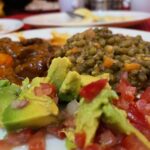
Nutritional Needs: Maintaining a balanced diet is essential for energy and acclimatization. Although appetite can decrease at high altitudes, it is important to keep eating to fuel your climb. Our experienced mountain chefs prepare nutritious and well-balanced meals, including cereals, fresh fruits, vegetables, chicken, beef, eggs, pasta, and soups.
Snacks and Energy Bars: Bring along your favorite snacks and energy bars to supplement your meals and provide quick energy boosts during the trek.
4. Follow the Principle of “Walk High, Sleep Low”
Step Acclimatization: During your climb, you will spend the day ascending but descend slightly to sleep at a lower altitude. This strategy helps your body adjust to the altitude by ensuring that you sleep at a lower elevation than where you reached during the day.
Benefits of Step Acclimatization: Although descending may seem counterintuitive, it significantly aids acclimatization. This process, which may include brief hikes at the end of the day, is essential for adjusting to the high altitude and improving your chances of reaching the summit.
5. Embrace the “Pole Pole” Approach
Take It Slowly: The Swahili phrase “pole pole,” meaning “slowly, slowly,” embodies the best advice for climbing Kilimanjaro. Rushing increases the risk of altitude sickness and reduces your chances of success. Climbing at a steady, gradual pace allows your body to acclimate more effectively.
Guided Pace: Our experienced guides will enforce a slow and steady pace, ensuring you don’t push yourself too hard. It may seem frustrating at times, but adhering to this approach is crucial for success.
6. Monitor Your Health
Regular Check-Ins: Pay attention to your body and communicate openly about any symptoms or concerns. Participate in morning and evening medical checks to monitor your health status.
Listen to Your Guides: Your guides are trained to help manage altitude-related issues and provide valuable advice. Following their guidance is essential for a successful and safe climb.
Conclusion
Preparing for high altitude on Kilimanjaro involves careful planning and adherence to key strategies. By choosing a longer itinerary, staying well-hydrated, eating nutritious meals, following the “walk high, sleep low” principle, and embracing a slow pace, you can improve your chances of a successful summit. With Kili RoamAdventures, you’ll benefit from expert guidance and support, helping you navigate the challenges of high altitude and achieve your climbing goals. Follow these guidelines, and your journey to the Roof of Africa will be both rewarding and memorable.